Bolivia Eyes Regulatory Framework for Tether's USDT

Live market snapshot (at publish): USDT $0.9993 (+0.0% 24h) · ETH $1,843.81 (-1.6% 24h) · BTC $64,152 (-0.1% 24h)
RugShield security check — Tether USD (USDT): Contract grade AAA · Speculative risk LOW · full on-chain scan
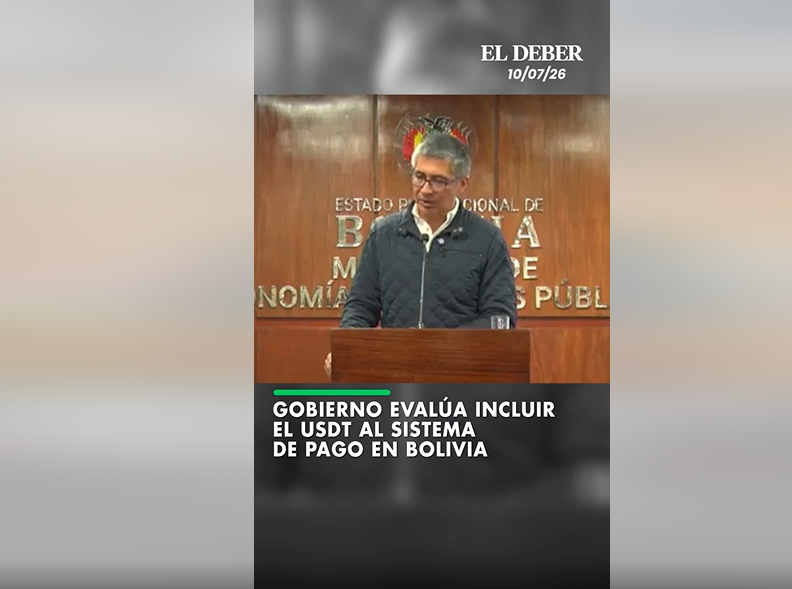
Bolivia is considering a regulatory framework that would recognize Tether's USDT as a payment currency. The proposed framework would allow USDT to circulate alongside the boliviano and the US dollar for payments and savings.
98% of Bitmine Immersion Technologies' revenue comes from Ethereum staking, with the company now staking more Ether than any other entity and projecting annualized staking rewards of $284 million once its holdings are fully staked through MAVAN and its partners.
The adoption of stablecoins like USDT may lead to increased demand for dollar-denominated alternatives, potentially impacting the value of traditional currencies and exerting pressure on foreign exchange reserves. In this context, the US 10-year yield has been influencing investor sentiment, while commodity prices such as Brent crude oil have experienced fluctuations.
$6.6 billion in contracted revenue from a 20-year data center lease and $11.6 billion in total value if the customer exercises extension options highlight the significant investments being made in digital infrastructure.
The Bitcoin mining sector has seen significant activity, with companies reporting revenue from self-mining and consulting services.
$624,000 in revenue from self-mining Bitcoin and $168,000 from consulting services demonstrate the diversity of income streams in the digital asset mining industry. "The proposal would allow USDT to circulate alongside the boliviano and the US dollar for payments and savings." — Jose Gabriel Espinoza, Economy and Public Finance Minister, Bolivian government
The potential implications of this move on the global financial system are significant, and market participants are eagerly awaiting further details on the proposed regulatory framework. If Bolivia's regulatory framework for USDT is successfully implemented, it could pave the way for other countries to consider similar moves, potentially leading to increased adoption of stablecoins worldwide. Analysis: However, the impact on traditional currencies and the broader economic landscape remains to be seen, and investors should closely monitor developments in this space.
 The intersection of digital and traditional currencies is becoming increasingly complex, with far-reaching implications for investors, institutions, and governments alike. As the situation continues to unfold, market participants will be watching closely for any developments that could signal a shift in the global financial landscape. The next key date to watch is the potential implementation of Bolivia's regulatory framework, which could occur as early as 2027.
Frequently Asked Questions
- What is the proposed regulatory framework for Tether's USDT in Bolivia?
- The proposed framework would allow USDT to circulate alongside the boliviano and the US dollar for payments and savings.
- What are the potential implications of Bolivia's regulatory framework for the global financial system?
- The move could lead to increased adoption of stablecoins worldwide, potentially impacting traditional currencies and the broader economic landscape.
- When is the potential implementation of Bolivia's regulatory framework expected?
- The next key date to watch is the potential implementation of Bolivia's regulatory framework, which could occur as early as 2027.