Solana Proposes Fee Change to Curb Resource Abuse

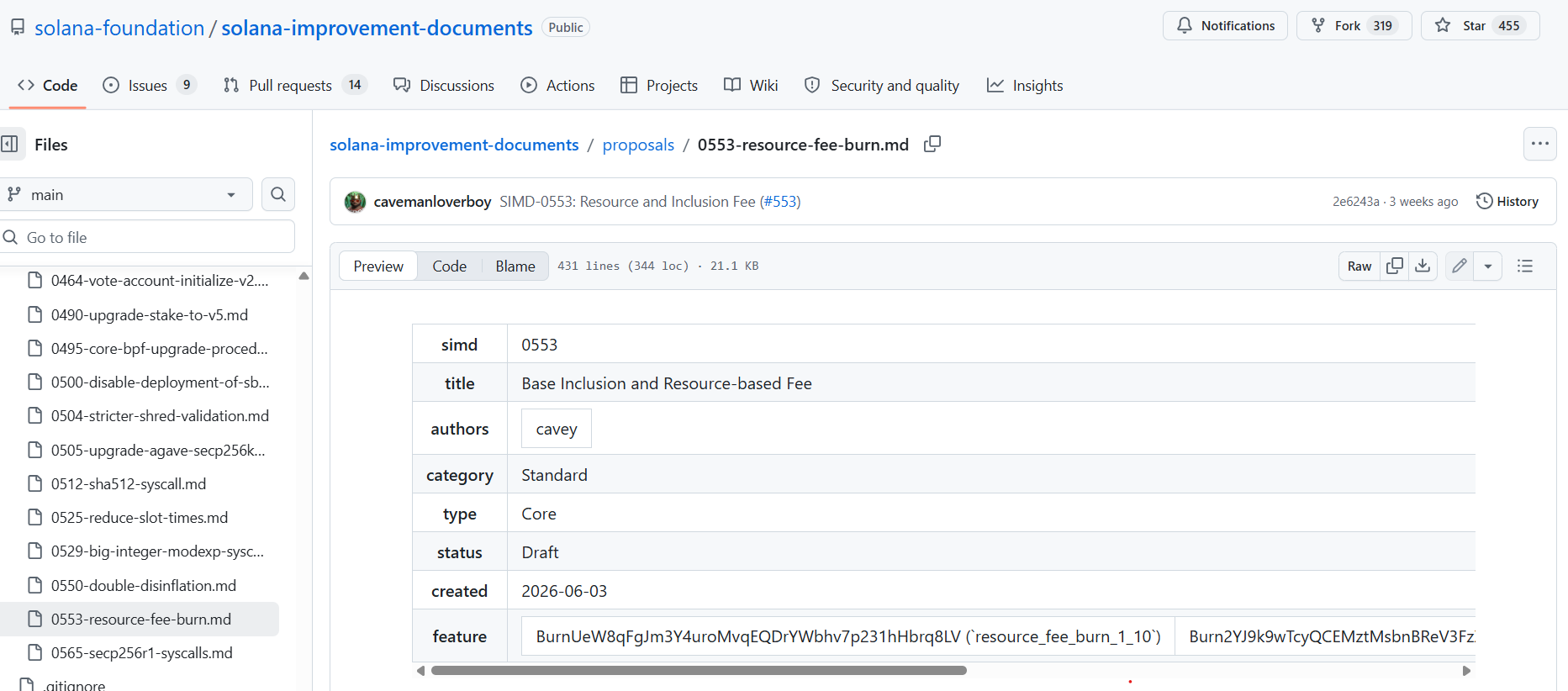
Solana is preparing to change how it charges for computing resources on the network, with a proposed fee change that could increase the burn rate of SOL and potentially make it deflationary. The proposal, put forth by Cavey, a researcher at Solana infrastructure firm Temporal, aims to target the biggest resource hogs on the network and make them pay more for their usage. This fee change would replace the current lamport fee, which is set at 5,000 lamports per transaction, but is not sufficient to cover the costs of computing resources.
Live market snapshot (at publish): SOL $75.24 (-0.3% 24h)
The proposed fee change would introduce a new terminal fee rate, making it more expensive for users to abuse the system. > $0.05 is the estimated fee that a user might pay to swap $100 on the Solana network under the proposed model, compared to $2-$5 on a centralized exchange. This significant reduction in fees could make Solana a more attractive option for users, while also generating revenue for the network. According to the proposal, the new terminal fee rate could increase the daily burn of SOL from 648 to between 7,500 and 9,000, representing a 12-14 fold increase in the daily burn of SOL.
"By installing this resource pricing right now, suddenly app developers have to optimize." — Cavey, researcher at Solana infrastructure firm Temporal and author of the proposal. This optimization could lead to more efficient use of resources on the network, reducing waste and increasing the overall value of the Solana ecosystem. The proposal also notes that the current system is being abused by some users, with 11.5 million transactions submitted by traders with the highest failure rates, consuming 929 million compute units and generating only $16,091 in profit.
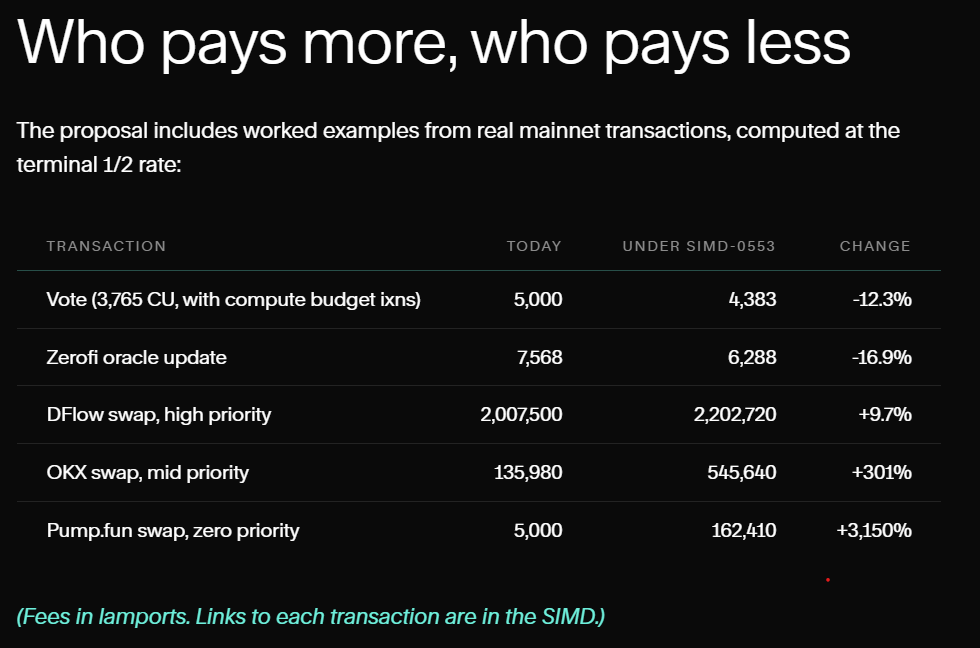
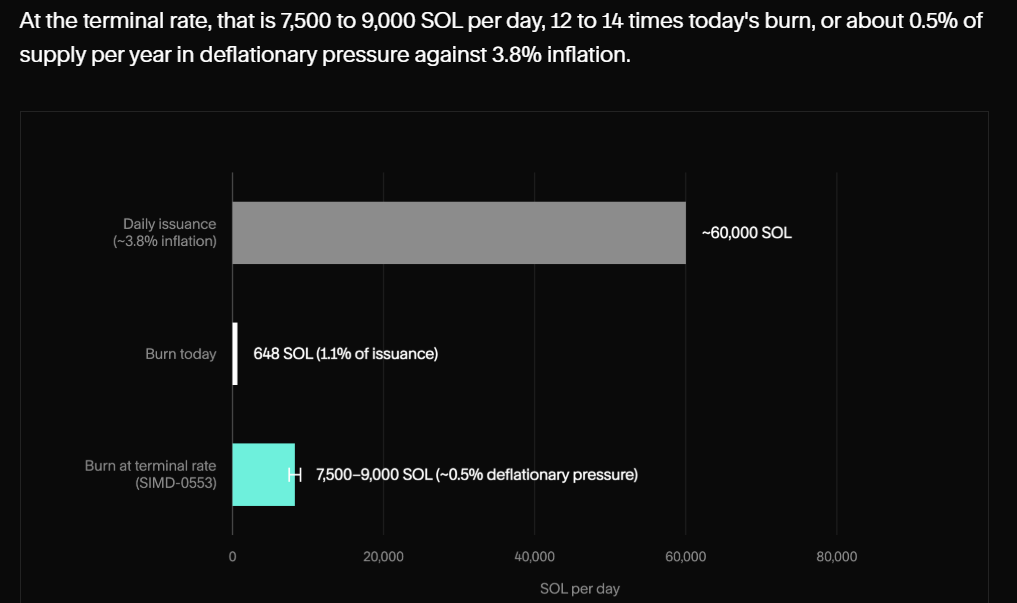
The proposed fee change has significant implications for the Solana network and its users. If implemented, it could lead to a reduction in the overall supply of SOL, making it more scarce and potentially increasing its value. Analysis: If the proposed fee change is implemented, it could lead to a significant increase in the burn rate of SOL, potentially making it deflationary. This could have a positive impact on the price of SOL, as a reduction in supply could lead to an increase in demand. However, it is also possible that the fee change could lead to a decrease in usage on the network, as some users may be deterred by the increased costs.
The Solana community will be watching the proposal closely, as it has the potential to significantly impact the network and its users. With the proposed fee change, Solana is taking a step towards creating a more sustainable and efficient network, and it will be interesting to see how the community responds to this development. The next step will be to monitor the implementation of the proposal and its effects on the network.
Frequently Asked Questions
- What is the proposed fee change for Solana?
- The proposed fee change aims to increase the cost of computing resources on the network, targeting the biggest resource hogs.
- How could the fee change affect the Solana network?
- The fee change could increase the burn rate of SOL, potentially making it deflationary and reducing the overall supply of tokens.
- Who proposed the fee change for Solana?
- The fee change was proposed by Cavey, a researcher at Solana infrastructure firm Temporal.