Understanding Rug Pulls in Crypto Investments
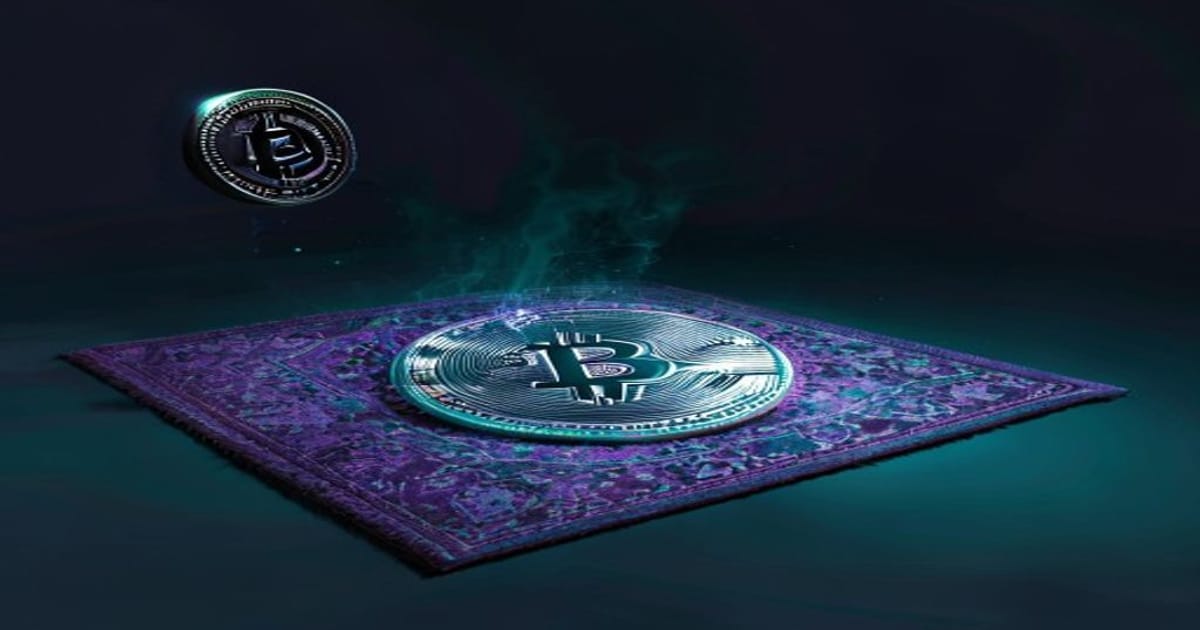
What is a Rug Pull?
A rug pull is a type of cryptocurrency scam where the project's developers suddenly abandon the project and remove its liquidity, leaving investors with significant losses. This can happen when a project's developers create a token with the intention of manipulating its price and then quickly selling their tokens, often through a stealth dump, to make a profit. As a result, the token's price plummets, and investors are left with a worthless or nearly worthless asset.
The key to understanding rug pulls is to recognize the warning signs, such as low liquidity, high volatility, and a lack of transparency from the project's developers. Investors should be cautious of projects that promise unusually high returns or have a sense of urgency around investing. By being aware of these red flags, investors can take steps to protect themselves from rug pulls and make more informed investment decisions.
How Does a Rug Pull Work?
A rug pull typically begins with a token launch, where the project's developers create a new token and generate hype around it. This hype can be fueled by false or misleading information, and the token's price may rise rapidly as a result. However, once the developers have attracted enough investors, they will often remove the token's liquidity, making it difficult or impossible for investors to sell their tokens. This can be done through a variety of methods, including liquidity removal or a stealth dump.
The removal of liquidity is a critical component of a rug pull, as it prevents investors from selling their tokens and limits the supply of tokens available for purchase. This can cause the token's price to plummet, leaving investors with significant losses. By understanding how rug pulls work, investors can better recognize the warning signs and take steps to protect themselves.
Key Concepts
Some key concepts related to rug pulls include:
- Liquidity removal: The act of removing a large amount of a cryptocurrency from circulation, often to manipulate its price.
- Stealth dump: A type of dump where the project's developers sell their tokens quickly and quietly, often to avoid detection.
- On-chain signs: Indicators of potential rug pull activity, such as unusual transaction patterns or changes in token ownership.
- Token launch: The process of creating and introducing a new token to the market. By understanding these concepts, investors can better navigate the cryptocurrency market and make more informed investment decisions.
Real-World Example
According to CryptoRefuge's RugShield scan data, many tokens have been identified as potential rug pulls due to suspicious on-chain activity. For example, a token may have a high concentration of ownership among a small group of wallets, indicating a potential rug pull. By using tools like the RugShield scanner, investors can research a token's on-chain activity and make more informed investment decisions.
Practical Application
To protect yourself from rug pulls, it's essential to research a project and its developers before investing. This includes reviewing the project's whitepaper, website, and social media channels to ensure that the information is accurate and transparent. Investors should also be cautious of projects with low liquidity and high volatility, as these can be indicators of a potential rug pull. By taking a proactive and informed approach to investing, individuals can reduce their risk of falling victim to a rug pull.
Risks / Watch Out For
Rug pulls can result in significant financial losses for investors, and it's essential to be aware of the risks. Investors should be cautious of projects that promise unusually high returns or have a sense of urgency around investing. Additionally, investors should monitor on-chain activity and be aware of potential red flags, such as changes in token ownership or unusual transaction patterns. By being aware of these risks, investors can take steps to protect themselves and make more informed investment decisions.
Summary
In summary, rug pulls are a type of cryptocurrency scam where developers abandon a project and remove its liquidity, leaving investors with significant losses. By understanding the warning signs, such as low liquidity and high volatility, and taking a proactive and informed approach to investing, individuals can reduce their risk of falling victim to a rug pull. For more information on token security, check out How to Choose a Token Security Scanner: What to Actually Check and Crypto Scam Glossary: Every Token Security Term Explained.
Before you rely on any single check, run through the complete token security checklist — it ties this and every other risk signal together in one pass.
Frequently Asked Questions
- What is a rug pull in cryptocurrency investments?
- A rug pull is a type of cryptocurrency scam where the project's developers suddenly abandon the project and remove its liquidity, leaving investors with significant losses.
- How can I protect myself from rug pulls?
- To protect yourself from rug pulls, research a project and its developers before investing, and be cautious of projects with low liquidity and high volatility.
- What are some warning signs of a potential rug pull?
- Warning signs of a potential rug pull include low liquidity, high volatility, and a lack of transparency from the project's developers.